
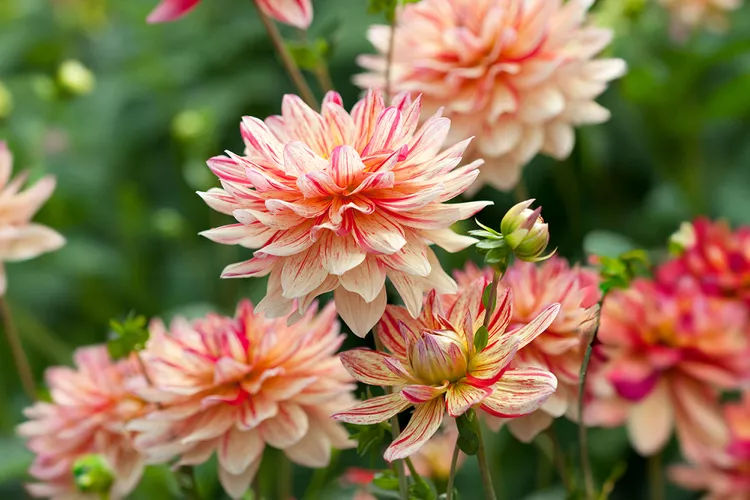
Dahlias are some of the showiest flowers you can grow, but first you need to know how to plant dahlia tubers correctly. The oblong brownish tubers may not look like much, but they'll quickly sprout if planted at the right time in properly prepared soil. This guide on how and when to plant dahlia tubers will help set your plants up for success so you can enjoy their prolific blooms all summer long.
When to Plant Dahlia Tubers
Dahlias love warm weather, and they grow as perennials in Hardiness Zones 8 and warmer, but in cooler locations, dahlias are typically grown as annuals, or the tubers are dug up in autumn, overwintered indoors, and then replanted outdoors in spring.
Whether you’re planting new dahlia tubers or tubers you’ve overwintered, dahlias should be planted outdoors in late spring after the danger of frost has passed. Dahlias are not very cold hardy, and planting tubers outdoors too early can prove fatal to them. Dahlias are usually planted in cool areas in May through mid-June or when the soil temperature is above 60°F.
A good rule of thumb is to plant dahlias around the same time you plant tomatoes in your garden.
Although dahlias are relatively fast-growing plants, you can start dahlias indoors in pots if you live in a cold region and want to extend the dahlia growing season. Plant dahlia tubers indoors about four to six weeks before your last frost date and transplant the dahlias into your garden when warm spring weather arrives.
Preparing the Soil
Some flowers are happy to grow just about anywhere, but dahlias can be picky about their soil. If you want to grow the best dahlia plants around, it pays to invest a little time and attention into preparing the garden soil ahead of time.
To start, choose a planting spot that receives at least six to eight hours of direct sunlight daily. Make sure the growing location drains well and is protected from strong winds. If your garden soil drains poorly, keep dahlias in raised beds to avoid issues with root rot.
Dahlias grow best in rich, sandy loam soil with a pH between 6.0 and 7.5. It’s usually a good idea to test your soil before planting dahlias and adjust the soil accordingly. Then, spread a 2- to 3-inch layer of compost or aged manure over the planting bed and till the soil to a depth of 10 inches to incorporate the compost or manure into your garden, making the soil loose for your dahlia tubers.
Add a balanced or low nitrogen (5-10-10) fertilizer to the garden bed and mix it in to give dahlias an additional boost.
How to Plant Dahlia Tubers
After preparing the soil, follow these steps to plant dahlia tubers correctly.
1. Inspect the tubers.
Check your tubers before planting and toss any that are mushy, soft, or overly wrinkled into your compost pile. Tubers with visible growth or small pink “eyes” or buds are healthy and ready to plant. Unlike potatoes, dahlia tubers should not be broken or cut apart before planting.
2. Dig holes and install supports.
When you’re ready to plant the dahlia tubers, dig planting holes or trenches that are about 4 inches deep. If you’re going to plant tall varieties, like dinner plate dahlias, install plant stakes at this time to support the plants as they grow.
Adding a handful of bone meal to planting holes provides dahlias with extra calcium and phosphorous for healthy root development.
3. Plant dahlia tubers in soil.
Place the dahlia tubers horizontally in the planting holes or trenches so that their “eyes” face upward and the tubers spread out like fingers on a hand. Space individual tubers at least 12 inches apart to ensure your plants have proper air circulation and backfill the holes with soil.
4. Wait to water.
After planting, don’t water until the dahlias tubers sprout above ground. Watering dahlia tubers too early can cause them to rot in the soil.
5. Water and attach stems to supports.
After the dahlias sprout, water the plants as needed and attach tall stems to their support stakes with garden twine or plant clips.
For even bushier plants with more flowers, pinch back the top of the dahlias when your plants are approximately 12 inches tall and fertilize the plants monthly with a balanced or low-nitrogen organic fertilizer.
Protecting Dahlias from Pests
Dahlias attract some garden pests, but you can protect the plants by taking proactive steps at planting time.
If you’re worried about slugs and snails gobbling up your dahlia flowers, avoid mulching the dahlias and plant the tubers near slug-repelling companion plants like chives or trap crops like chervil. You may also want to install “slug pubs” or slug beer traps at the beginning of the season to keep slugs at bay.
If you struggle with voles, chipmunks, and other rodents eating the dahlia tubers, plant the tubers in bulb cages or loosely wrap the tubers in chicken wire before planting.