
• HOME
  • Container Gardens
  • Houseplants
  • Edible Gardening
  • Garden Design
  • Caring for Your Yard
  • Flowers
  • Pest & Problem Fixes
  • Trees, Shrubs & Vines
  • Landscaping
  • Garden Plans
  • Gardening Routine
  • Terms of Use
  • About Us
  • Privacy Policy
frostbloom.topfrostbloom.top
  • HOME
  • Container Gardens
  • Houseplants
  • Edible Gardening
  • Garden Design
  • Caring for Your Yard
  • Flowers
  • Pest & Problem Fixes
  • Trees, Shrubs & Vines
  • Landscaping
  • Garden Plans
  • Gardening Routine
frostbloom.top frostbloom.top
frostbloom.top » Flowers » Are Pansies Perennials That Will Come Back After Winter?
Flowers

Are Pansies Perennials That Will Come Back After Winter?

35.9K
358
53
Are Pansies Perennials That Will Come Back After Winter?

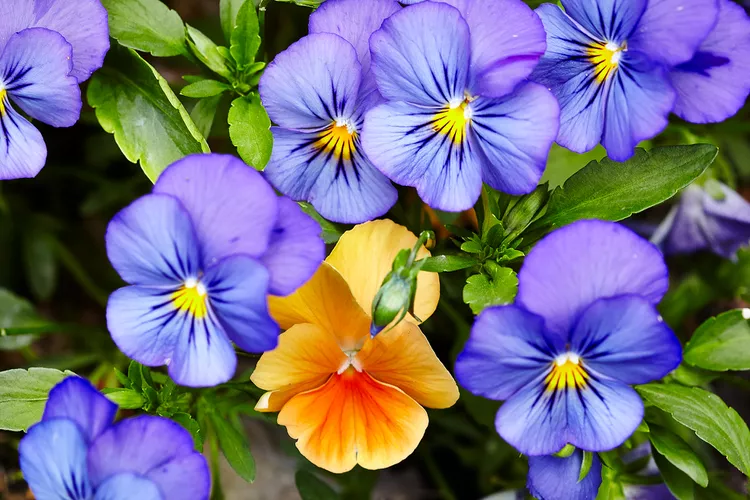
Pansies are cool-season workhorses, providing cheerful color in spring and fall when not much else is blooming. But if you're wondering, are pansies perennials that will survive freezing winters, the answer is that they are are technically short-lived perennials. They can overwinter in areas as cold as Hardiness Zone 4, but a layer of insulating snow or mulch can help increase their chances of surviving the coldest conditions. However, pansies are usually grown as annuals in most areas of the U.S. or as biennials in areas with cool summers and mild winters.

Pansies (Viola x wittrockiana) don’t reliably keep coming back year after year unless they self-seed. And because most purchased pansies are hybrids, the plants that result from self-seeding likely won’t look the same as the parent plants.

Types of Pansies

Pansy blooms are commonly divided into solid colors, stripes, and faces or blotches. Breeders have developed large, petite, and even frilly-petalled varieties. Pansies can have single, semi-double, or double flowers, and they bloom in shades of blue, yellow, orange, purple, burgundy, white, peach, and pink.

People sometimes refer to pansies as violas, and while they are related, violas typically have much smaller flowers. Some violas are perennial, though, so if you are looking for pansy-like blooms and colors but want a perennial, check out these native perennial violas: Labrador violet (Viola labradorica), common blue violet or wood violet (V. sororia), and birdsfoot violet (V. pedata). 

When to Plant Pansies

Most of us buy pansies in four-packs or six-packs from the garden center, so the selections are limited. These pansies can be planted in the fall in much of the U.S. for color during autumn and even early winter in warmer areas. Many gardeners plant pansies in the spring once the soil is workable. You can set them out when there is still a danger of light frost, but wait to plant them until hard freezes are not likely.

Choose a location in full or part sun with good drainage. Work in some compost and loosen the soil. Make a hole and plant pansies at the same depth as in the container. Firm up the soil around them and water them well. Add a layer of mulch around them to reduce weeds and conserve moisture.

Growing Pansies from Seed

Pansies are easy to grow from seed. Starting pansies from seed allows you to take advantage of all the unique color and flower variations not usually available at garden centers. However, pansies can take a while to germinate, so you'll want to plan ahead and be patient. 

  1. Fill a tray with a moistened, high-quality seed-starting mix.
  2. Sow the pansy seeds indoors about 10-12 weeks before the last frost date in your area. Press the seeds lightly into the growing medium. 
  3. Cover the entire flat with a few sheets of newspaper or place it into a black bag. Pansy seeds require darkness to germinate. Check occasionally to confirm the growing medium remains moist.
  4. After the seedlings pop up in about two to three weeks, remove the covering and provide bright, direct light.
  5. You’ll need to supply supplemental lighting, such as a grow light, because a sunny window usually isn’t enough to keep them from getting leggy.

When the seedlings are robust and the weather has warmed, they are ready to transplant to the garden.

Frequently Asked Questions

  • What temperature kills pansies?

    Most pansies can withstand temperatures down to about 5℉. Some varieties are more cold-hardy than others, so check the tags or product description when purchasing if you are a cold-climate gardener. To help pansies survive chilly temps, provide a thick layer of mulch before bitter cold weather sets in. Six inches of straw works well, but shredded leaves or other organic material will also help.

  • Are pansies edible?

    Yes, pansies are edible. The petals are popular as a garnish in salads or baked goods and can be used to make candies and jellies. They can add flavor to a simple syrup and can even be dehydrated or frozen for future use. The flowers taste faintly like mint or wintergreen.

  • How long do pansies bloom?

    Pansies bloom until the summer heat or a heavy frost knocks them back. The show will last for many weeks with the right weather. Deadheading them encourages new flowers.

  • Do deer eat pansies?

    Unfortunately, deer eat pansies, and rabbits like them too. If you have four-legged plant nibblers, try deer repellents or other methods to keep your pansies safe.

Related Posts

20.2K
1.2K
302

Top Butterfly Container Garden Ideas

36.5K
2.9K
525

Brown Spots on Your Lawn? 7 Causes and How to Fix Them

29.4K
588
170

7 of the Worst Mistakes to Avoid When Pruning Plants

40.6K
1.2K
547

How to Plant and Grow Boston Ivy

10.5K
842
159

How to Plant and Grow Bush Anemone

31.1K
2.5K
1.1K

The Top Deck Colors for Summer 2024, According to Experts

7.7K
384
49

How to Design a Garden by Plant Height

18.3K
1.8K
858

10 Smart Money-Saving Strategies When Shopping for Plants

13.5K
269
75

How to Plant and Grow Prayer Plant

6.9K
275
71

How to Grow and Care for Anthurium

41.5K
2.1K
622

24 Easy-Care Houseplants With Low Watering Needs

47.3K
2.4K
1.1K

4 Simple Ways to Keep Tulips From Drooping in a Vase

32.5K
2.3K
1K

How to Plant Spring Bulbs in Fall for Glorious Blooms Next Year

14.6K
583
209

How to Plant and Grow Crocus

20.4K
203
60

How to Plant and Grow Spider Lily

46.9K
4.2K
716

How to Avoid Minute Pirate Bugs: They're Tiny but Pack a Big Bite

18.8K
1.3K
643

New to Perennial Gardening? Try This Beginner Garden Plan for Full Sun

19.6K
1.6K
156

Is Electroculture Gardening the Next Great Thing in Plant Care?

7.5K
747
261

Your Seasonal Lawn-Care Schedule for the Pacific Northwest

11K
986
374

How to Kill Weeds Naturally Using Organic Products

Top Butterfly Container Garden Ideas
Brown Spots on Your Lawn? 7 Causes and How to Fix Them
7 of the Worst Mistakes to Avoid When Pruning Plants
How to Plant and Grow Boston Ivy
How to Plant and Grow Bush Anemone
The Top Deck Colors for Summer 2024, According to Experts
How to Design a Garden by Plant Height
10 Smart Money-Saving Strategies When Shopping for Plants
How to Plant and Grow Prayer Plant
How to Grow and Care for Anthurium
24 Easy-Care Houseplants With Low Watering Needs
4 Simple Ways to Keep Tulips From Drooping in a Vase
How to Plant Spring Bulbs in Fall for Glorious Blooms Next Year
How to Plant and Grow Crocus
How to Plant and Grow Spider Lily
How to Avoid Minute Pirate Bugs: They're Tiny but Pack a Big Bite
New to Perennial Gardening? Try This Beginner Garden Plan for Full Sun
Is Electroculture Gardening the Next Great Thing in Plant Care?
Your Seasonal Lawn-Care Schedule for the Pacific Northwest
How to Kill Weeds Naturally Using Organic Products
frostbloom.top ©2026
  • Terms of Use
  • About Us
  • Privacy Policy