
• HOME
  • Container Gardens
  • Houseplants
  • Edible Gardening
  • Garden Design
  • Caring for Your Yard
  • Flowers
  • Pest & Problem Fixes
  • Trees, Shrubs & Vines
  • Landscaping
  • Garden Plans
  • Gardening Routine
  • Terms of Use
  • About Us
  • Privacy Policy
frostbloom.topfrostbloom.top
  • HOME
  • Container Gardens
  • Houseplants
  • Edible Gardening
  • Garden Design
  • Caring for Your Yard
  • Flowers
  • Pest & Problem Fixes
  • Trees, Shrubs & Vines
  • Landscaping
  • Garden Plans
  • Gardening Routine
frostbloom.top frostbloom.top
frostbloom.top » Flowers » How to Grow Hyacinth Bulbs in a Vase for Blossoms in the Winter
Flowers

How to Grow Hyacinth Bulbs in a Vase for Blossoms in the Winter

26.3K
1.1K
199
How to Grow Hyacinth Bulbs in a Vase for Blossoms in the Winter

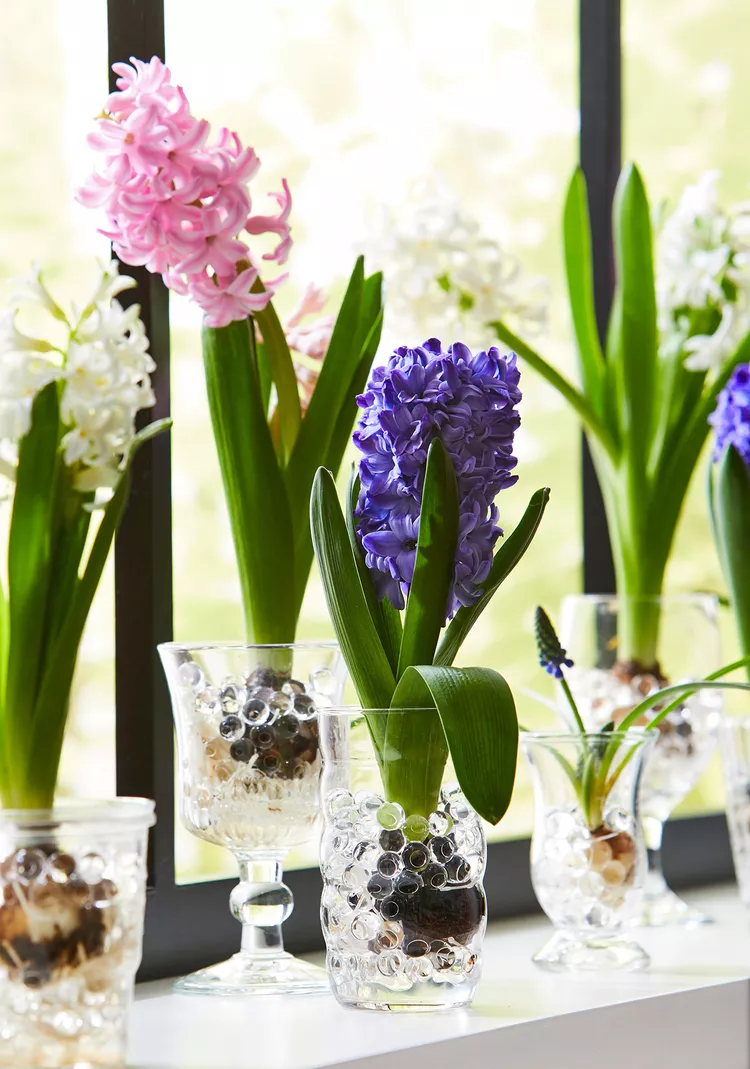
When you're tired of snow and ice and itching to get back out into your garden, forcing bulbs indoors can help cure your spring fever in winter. If you head to your local garden center, florist, or even grocery store in midwinter to early spring, they should have prechilled bulbs for sale. With a few bulb-forcing vases, some water, and a little patience, you can turn those bulbs into fresh blooms and fill your home with the sweet aromas that are a sign of spring. Here's how to force bulbs in a vase so you can enjoy hyacinths before spring officially arrives.

Tools and Materials:

  • Forcing vases
  • Prechilled hyacinth bulbs
  • Gloves
  • Water

Step 1: Chill the bulbs (if needed)

Before you get started forcing hyacinth bulbs, they need to be chilled. Usually, you can buy pre-chilled bulbs, but you can also chill regular hyacinth bulbs yourself. Place them in the crisper drawer of your fridge for at least 12 weeks, and keep them away from produce (it's a good idea to keep your bulbs in a paper bag).

Test Garden Tip: Make sure you wear gloves when you're working with hyacinth bulbs because they can cause a skin reaction and irritate your eyes.

Step 2: Add water

If you buy pre-chilled bulbs, remove them from their pot and rinse off the soil (if they've been potted), and snip off up to half of the roots' length. Fill the forcing vase to just below the cup where the bulb will rest. The bulb will reach for the water.

Step 3: Add bulb

Place the hyacinth bulb in the cup—root end down—and growing end up (you might already see a tiny green sprout) so the base is just touching the water. Place the vase in a spot that gets bright, indirect light and out of reach of pets (hyacinths are toxic to cats and dogs). Periodically change out the water and keep the level at the base of the bulb. Give the vase a quarter turn every day to keep the plant growing straight up. When the flower buds start to show color, move your hyacinth into a spot where it will get direct sun.

Once the flowers have withered, you can add the bulbs to your compost pile, or transplant them into your garden in the spring. They won't bloom again right away, but if you let them hibernate for a year, they might sprout again the next spring.

Hyacinths aren't your only option for forcing bulbs in water. You can also try amaryllis (they're especially popular around the holidays!), tulips, crocuses, irises, daffodils, and fragrant paperwhites. All of these will grow with just a vase full of water, but you can also grow them indoors potted in soil. Like hyacinths, all of these bulbs are a great way to bring early blooms to your home.

Related Posts

20.2K
1.2K
302

Top Butterfly Container Garden Ideas

36.5K
2.9K
525

Brown Spots on Your Lawn? 7 Causes and How to Fix Them

29.4K
588
170

7 of the Worst Mistakes to Avoid When Pruning Plants

40.6K
1.2K
547

How to Plant and Grow Boston Ivy

10.5K
842
159

How to Plant and Grow Bush Anemone

31.1K
2.5K
1.1K

The Top Deck Colors for Summer 2024, According to Experts

7.7K
384
49

How to Design a Garden by Plant Height

18.3K
1.8K
858

10 Smart Money-Saving Strategies When Shopping for Plants

13.5K
269
75

How to Plant and Grow Prayer Plant

6.9K
275
71

How to Grow and Care for Anthurium

41.5K
2.1K
622

24 Easy-Care Houseplants With Low Watering Needs

47.3K
2.4K
1.1K

4 Simple Ways to Keep Tulips From Drooping in a Vase

32.5K
2.3K
1K

How to Plant Spring Bulbs in Fall for Glorious Blooms Next Year

14.6K
583
209

How to Plant and Grow Crocus

20.4K
203
60

How to Plant and Grow Spider Lily

46.9K
4.2K
716

How to Avoid Minute Pirate Bugs: They're Tiny but Pack a Big Bite

18.8K
1.3K
643

New to Perennial Gardening? Try This Beginner Garden Plan for Full Sun

19.6K
1.6K
156

Is Electroculture Gardening the Next Great Thing in Plant Care?

7.5K
747
261

Your Seasonal Lawn-Care Schedule for the Pacific Northwest

11K
986
374

How to Kill Weeds Naturally Using Organic Products

Top Butterfly Container Garden Ideas
Brown Spots on Your Lawn? 7 Causes and How to Fix Them
7 of the Worst Mistakes to Avoid When Pruning Plants
How to Plant and Grow Boston Ivy
How to Plant and Grow Bush Anemone
The Top Deck Colors for Summer 2024, According to Experts
How to Design a Garden by Plant Height
10 Smart Money-Saving Strategies When Shopping for Plants
How to Plant and Grow Prayer Plant
How to Grow and Care for Anthurium
24 Easy-Care Houseplants With Low Watering Needs
4 Simple Ways to Keep Tulips From Drooping in a Vase
How to Plant Spring Bulbs in Fall for Glorious Blooms Next Year
How to Plant and Grow Crocus
How to Plant and Grow Spider Lily
How to Avoid Minute Pirate Bugs: They're Tiny but Pack a Big Bite
New to Perennial Gardening? Try This Beginner Garden Plan for Full Sun
Is Electroculture Gardening the Next Great Thing in Plant Care?
Your Seasonal Lawn-Care Schedule for the Pacific Northwest
How to Kill Weeds Naturally Using Organic Products
frostbloom.top ©2026
  • Terms of Use
  • About Us
  • Privacy Policy