
• HOME
  • Container Gardens
  • Houseplants
  • Edible Gardening
  • Garden Design
  • Caring for Your Yard
  • Flowers
  • Pest & Problem Fixes
  • Trees, Shrubs & Vines
  • Landscaping
  • Garden Plans
  • Gardening Routine
  • Terms of Use
  • About Us
  • Privacy Policy
frostbloom.topfrostbloom.top
  • HOME
  • Container Gardens
  • Houseplants
  • Edible Gardening
  • Garden Design
  • Caring for Your Yard
  • Flowers
  • Pest & Problem Fixes
  • Trees, Shrubs & Vines
  • Landscaping
  • Garden Plans
  • Gardening Routine
frostbloom.top frostbloom.top
frostbloom.top » Edible Gardening » Is Thyme a Perennial or Annual Plant?
Edible Gardening

Is Thyme a Perennial or Annual Plant?

35.4K
2.5K
644
Is Thyme a Perennial or Annual Plant?

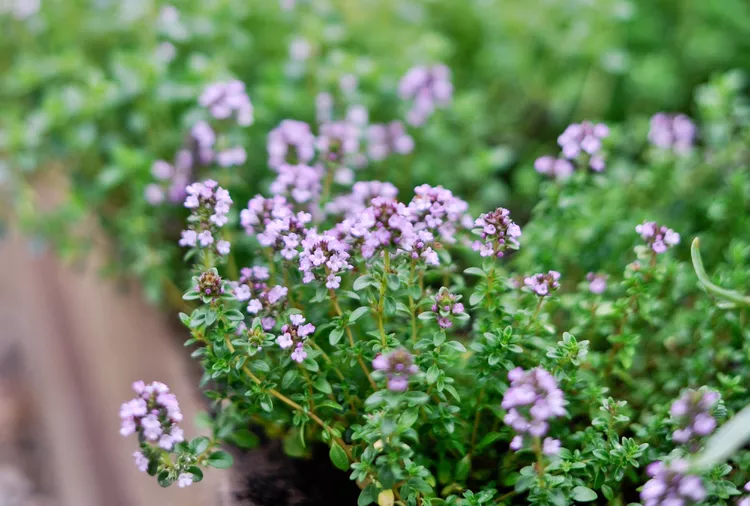
Thyme is actually a large group of herbaceous and evergreen plants with both upright and trailing or spreading varieties. Most types of thyme are hardy in USDA Zones 5-9, so the simple answer to the question of "Is thyme a perennial?" is yes, thyme plants are perennials that can live for many years. Here's what you need to know about the different types of thyme, and how to care for them to ensure these perennials thrive in your garden for many seasons to come.

If you garden in a colder place than Zone 5, you can either bring your thyme indoors at the end of the growing season and keep it as a houseplant, or grow thyme as an annual that you would need to replace in spring.

Types of Culinary Thyme

Many gardeners grow culinary thyme as an annual, buying pre-started plants in spring, growing them for harvest in summer and early fall, and then composting the plant at the end of the season. But when shopping for thyme plants to grow for eating, you may be perplexed by the variation in common names. That's because the culinary type of thyme (Thymus vulgaris) comes in many varieties. You might come across German thyme, English thyme, summer and winter thyme, French thyme, and creeping thyme. Perhaps the most commonly seen are summer thyme and winter thyme. 

Summer thyme, also called French thyme, is a smaller plant with a light flavor. Winter thyme, also called German thyme, is a bit larger and more cold-hardy. English thyme is a third variety of T. vulgaris, often called common or garden thyme. It is viewed as having the strongest flavor of the three. All of these culinary thyme varieties are perennial plants. And each one is tasty when harvested and added to recipes. They just have slightly different growth habits and flavors.

Other Popular Types of Thyme

You can grow culinary thyme as well as other types of thyme just for their good looks and pleasant fragrance. Popular types of thyme to grow as perennials in your garden beds and containers include:

  • Creeping thyme (Thymus serpyllum) is a tough, drought-tolerant groundcover that is sometimes used to replace grass in small yard areas. Each plant spreads to about one foot in diameter. Pollinators love this plant's tiny yet plentiful flowers.
  • Lemon thyme (Thymus citriodorus) has intensely lemon-scented leaves on upright stems that can reach about a foot tall. Some varieties feature variegated leaves, making them extra showy as filler plants in window boxes and other containers. In the kitchen, lemon thyme makes a bright and flavorful addition to marinades and salads.
  • Wooly thyme (Thymus pseudolanuginosus) is a creeping groundcover with fuzzy stems and leaves that form a dense, silvery mat that spreads about a foot in diameter. It is scent-free and rarely flowers. It also tolerates mild foot traffic when planted between paver stones on a walkway or garden steps.

Tips for Growing Thyme as a Perennial

Help your ornamental and culinary thyme plants thrive and live as long as possible with these essential care tips:

  • Pinching seedlings of upright types when they are 2–3 inches tall yields a bushier plant and provides more foliage. 
  • Thyme does best in full sun and requires soil with excellent drainage. It will thrive in dry, rocky soil where other plants won’t.
  • Like wine grapes, culinary thyme varieties develop the best flavor if the plant struggles a bit. Don’t overwater or overfertilize.
  • If you grow thyme as a perennial, it may become woody and need to be divided every few years to encourage more fresh, new growth.

Frequently Asked Questions

  • Do thyme plants spread?

    Some thyme varieties, like creeping thyme, spread willingly. Common thyme is less vigorous in that regard and usually creates a small shrub instead.

  • Should thyme be cut back every year?

    In colder climates, thyme overwintered in the garden should be cut back in spring to remove dead foliage and stems. It will readily come back from the base. In warmer climates, gardeners can trim back about a third of the woody stems yearly to keep perennial thyme plants productive. 

  • Can you grow thyme from seed?

    Thyme is tricky to grow from seed, but that doesn’t mean you can’t. They are notoriously slow to sprout and can take three weeks, even in perfect conditions. You need to start about 8-10 weeks before your last frost date.

Related Posts

20.2K
1.2K
302

Top Butterfly Container Garden Ideas

36.5K
2.9K
525

Brown Spots on Your Lawn? 7 Causes and How to Fix Them

29.4K
588
170

7 of the Worst Mistakes to Avoid When Pruning Plants

40.6K
1.2K
547

How to Plant and Grow Boston Ivy

10.5K
842
159

How to Plant and Grow Bush Anemone

31.1K
2.5K
1.1K

The Top Deck Colors for Summer 2024, According to Experts

7.7K
384
49

How to Design a Garden by Plant Height

18.3K
1.8K
858

10 Smart Money-Saving Strategies When Shopping for Plants

13.5K
269
75

How to Plant and Grow Prayer Plant

6.9K
275
71

How to Grow and Care for Anthurium

41.5K
2.1K
622

24 Easy-Care Houseplants With Low Watering Needs

47.3K
2.4K
1.1K

4 Simple Ways to Keep Tulips From Drooping in a Vase

32.5K
2.3K
1K

How to Plant Spring Bulbs in Fall for Glorious Blooms Next Year

14.6K
583
209

How to Plant and Grow Crocus

20.4K
203
60

How to Plant and Grow Spider Lily

46.9K
4.2K
716

How to Avoid Minute Pirate Bugs: They're Tiny but Pack a Big Bite

18.8K
1.3K
643

New to Perennial Gardening? Try This Beginner Garden Plan for Full Sun

19.6K
1.6K
156

Is Electroculture Gardening the Next Great Thing in Plant Care?

7.5K
747
261

Your Seasonal Lawn-Care Schedule for the Pacific Northwest

11K
986
374

How to Kill Weeds Naturally Using Organic Products

Top Butterfly Container Garden Ideas
Brown Spots on Your Lawn? 7 Causes and How to Fix Them
7 of the Worst Mistakes to Avoid When Pruning Plants
How to Plant and Grow Boston Ivy
How to Plant and Grow Bush Anemone
The Top Deck Colors for Summer 2024, According to Experts
How to Design a Garden by Plant Height
10 Smart Money-Saving Strategies When Shopping for Plants
How to Plant and Grow Prayer Plant
How to Grow and Care for Anthurium
24 Easy-Care Houseplants With Low Watering Needs
4 Simple Ways to Keep Tulips From Drooping in a Vase
How to Plant Spring Bulbs in Fall for Glorious Blooms Next Year
How to Plant and Grow Crocus
How to Plant and Grow Spider Lily
How to Avoid Minute Pirate Bugs: They're Tiny but Pack a Big Bite
New to Perennial Gardening? Try This Beginner Garden Plan for Full Sun
Is Electroculture Gardening the Next Great Thing in Plant Care?
Your Seasonal Lawn-Care Schedule for the Pacific Northwest
How to Kill Weeds Naturally Using Organic Products
frostbloom.top ©2026
  • Terms of Use
  • About Us
  • Privacy Policy