
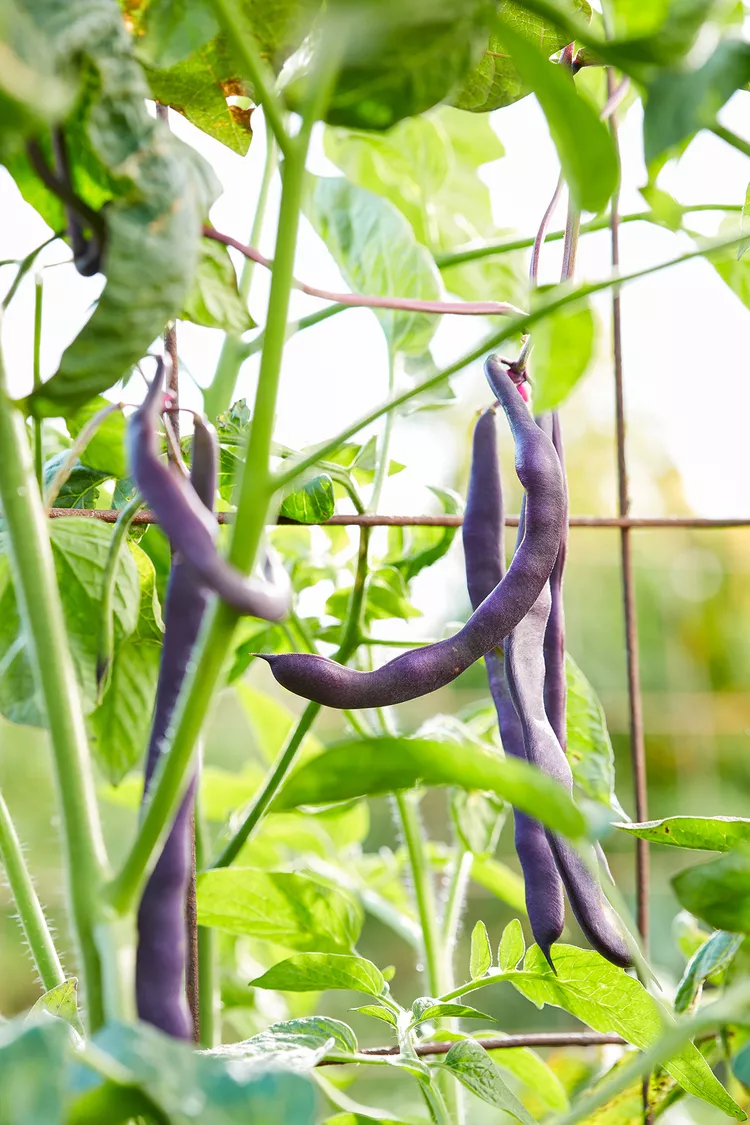
From green beans to dried shelling beans, there are so many bean varieties that you can grow in the home garden. To grow the healthiest bean plants around, you need to try out companion planting. Certain vegetables, herbs, and flowers make ideal companion plants for beans. The plants below are some of the best choices and they can be grown in most gardens, including urban and small space plots. These plants will help repel an assortment of bean pests, including aphids and flea beetles. Plus, a few will enhance the growth of both bush and pole bean varieties.
Corn
Pole beans, corn, and winter squash are sometimes called the “Three Sisters” and they are one of the oldest companion plant pairings around. First developed by the peoples of the First Nations, the Three Sisters is an efficient planting method and is a perfect example of companion plants that offer significant benefits to each other. In the case of pole beans and corn, pole beans have the ability to nitrogen in the soil through their roots, which can boost the health and growth of corn, and corn’s sturdy stalks act as a natural trellis for vining pole beans.
Winter Squash
Winter squash is the “other sister” in the Three Sister planting method, but it benefits the growth of beans in a different way. Winter squash has large leaves that can shelter the soil around the base of bean plants, suppressing weeds and slowing down evaporation rates so beans don’t need to be watered as often. Additionally, the prickly stems and leaves of winter squash can serve as a natural defense against some garden pests and may keep raccoons from rummaging through your bean plants.
Potatoes
Potatoes and beans are a match made in heaven when it comes to companion planting. Heavy feeding potatoes will benefit from the nitrogen fixing abilities of beans and beans will keep Colorado potato beetles away from your spuds. In turn, potatoes will repel Mexican bean beetles, which can cause a lot of damage to bean leaves and reduce harvest yields.
Peas
Beans and peas are natural companions since they have similar growth patterns and care needs. Pole beans and peas are both climbing plants that can use the same trellising or support system in your garden, reducing the amount of trellising you’ll need to purchase. Beans also are usually harvested a bit later than peas, so if you grow these plants together, you can extend your harvesting window from spring well into summer.
Catnip
Flea beetles are common pests of bean plants and they can riddle bean leaves with distinct “shot holes” and spread diseases like wilt. However, catnip has the ability to repel flea beetles and other pest insects too. What’s more, catnip and beans are both easy to keep in containers, which means you can grow these two companion plants together even if you only have a small space or balcony garden.
Radishes
Some root vegetables, like beets, can actually stunt the growth of beans and they aren’t good companions. However, radishes are excellent companions for both bush and pole beans and growing these plants together can be a smart way to maximize your available gardening space. Radishes are fast-growing vegetables that can be easily squeezed in around the base of beans to use up any empty soil space. Plus, radishes can act as a trap crop for flea beetles, helping to keep your bean plants pest free.
Marigolds
Many different vegetables, herbs, and flowers can benefit from being grown near marigolds, and bean plants are no exception. Marigolds are a top companion plant due to their natural ability to repel an assortment of pests, including Mexican bean beetles and nematodes. Plus, marigolds’ showy flowers will liven up your vegetable beds with their bright colors.
Cucumbers
Beans and cucumbers have similar growing needs and they can help each other grow better when used as companion plants. Additionally, vining cucumber varieties can use the same trellis system as your bean plants, which is a great way to get more use out of your trellis. However, if you have a smaller garden or you live in the city, you can also grow bush beans and bush cucumbers together in pots.
Summer Savory
Summer savory isn’t as commonly grown as other aromatic herbs, like sage and oregano, but it offers certain benefits to bean plants. When grown near bean vines, summer savory can improve the growth and flavor of homegrown beans. And summer savory’s strong scent can repel variety of pests, including Mexican bean beetles.
Nasturtiums
Like marigolds, nasturtiums are frequently kept as companion plants in vegetable gardens because of their benefits for pest control. Nasturtiums can act as trap crops or repellants for aphids, Mexican bean beetles, and flea beetles. At the same time, nasturtium flowers are also highly attractive to beneficial insects that will feed on an assortment of bean pests and help to keep your beans naturally pest free.