
• HOME
  • Container Gardens
  • Houseplants
  • Edible Gardening
  • Garden Design
  • Caring for Your Yard
  • Flowers
  • Pest & Problem Fixes
  • Trees, Shrubs & Vines
  • Landscaping
  • Garden Plans
  • Gardening Routine
  • Terms of Use
  • About Us
  • Privacy Policy
frostbloom.topfrostbloom.top
  • HOME
  • Container Gardens
  • Houseplants
  • Edible Gardening
  • Garden Design
  • Caring for Your Yard
  • Flowers
  • Pest & Problem Fixes
  • Trees, Shrubs & Vines
  • Landscaping
  • Garden Plans
  • Gardening Routine
frostbloom.top frostbloom.top
frostbloom.top » Caring for Your Yard » What's a Mulching Lawn Mower and Is It Better for Your Grass?
Caring for Your Yard

What's a Mulching Lawn Mower and Is It Better for Your Grass?

32.1K
1.9K
230
What's a Mulching Lawn Mower and Is It Better for Your Grass?

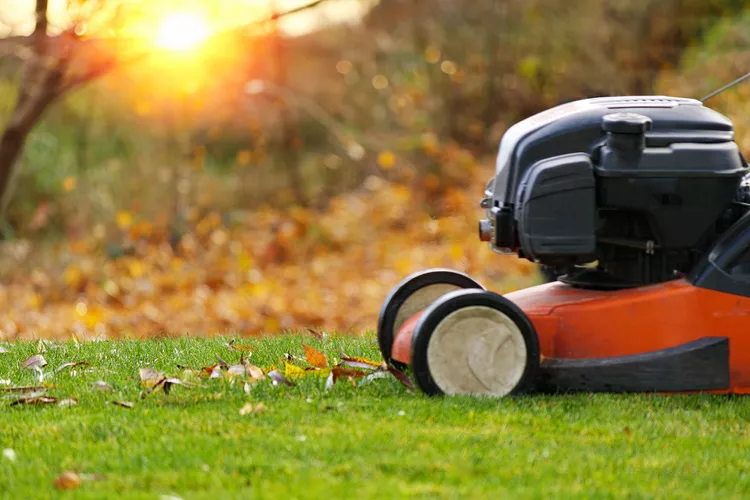
Mulching lawn mowers can save you time and money by doing two jobs at once: Not only do they cut grass the same way as a traditional lawn mower, they simultaneously turn the grass clippings into a natural fertilizer. These efficient mowers dice the grass clippings into tiny pieces that decompose quickly, providing valuable nutrients to your lawn. With a mulching mower, grass clippings are no longer an eyesore, and fertilizer needs for grass are reduced, too.

If you are considering purchasing a mulching lawn mower, here’s everything you need to know about these handy machines.

Types of Lawn Mowers

There are two main types of lawn mowers: Rotary and reel. Reel mowers are used almost exclusively by professionals on golf courses and highly manicured lawns, while rotary mowers provide the cutting power nearly everywhere else. Mulching mowers are a modification of traditional rotary mowers and are becoming more common.

University research found mulching mowers provide only a slight reduction in grass clipping decomposition time compared to a traditional rotary mower. So you may want to stick with your current machine until it is no longer functional before considering a mulching mower.

How a Mulching Lawn Mower Works

A traditional rotary mower—including push, self-propelled, and riding varieties—cuts grass and shoots the clippings out a side-discharge chute or the back of the mower. A mulching mower captures the grass clippings with the help of a mild vacuum under the mower deck. The clippings move around the whirling blades, where they are minced into tiny pieces. Then, the tiny clippings drop onto the lawn below the deck, where they decompose.

Mulching Mower Types

Mulching mowers are available as riding, push, and self-propelled models. The power source is an important consideration, as mulching mowers are available in electric or gas models.

Electric models can mow one-third acre or smaller lawns on a single charge. Larger lawns demand a gas model if you want to mow the entire lawn at one time. Significant power is required to mulch grass clippings, so the best electric mulching mowers have a 40-volt or larger battery. Look for a gas mulching mower with a 140 cubic centimeter engine for strong performance.

Tips for Using a Mulching Lawn Mower

Good mowing practices maximize the benefits of a mulching mower. Here are a few things to be mindful of when cutting grass and mulching the clippings back into the lawn.

Monitor Cutting Height

Cutting height is important when mowing with a mulching mower, just as it is when using a traditional lawn mower. Don’t expect a mulching mower to cut overly tall grass and then mince the long clippings into mulch. A mulching mower works best when you are cutting only 1 or 2 inches off the height of the grass.

Sharpen the Blades Annually

Sharp blades are responsible for a clean cut and a neat appearance when the mowing is complete. Sharpen the mower blades on your mulching mower at least once a season. The blades get a workout chopping the clippings multiple times; they’ll benefit from regular sharpening.

Avoid Wet Grass

It's always a good idea to avoid wet grass when mowing, but it's especially important with a mulching mower. Wait to mow until the grass is thoroughly dry. Wet grass clumps together as soon as it is cut, and the mulching mower won’t be able to chop the clippings as it is designed to do.

Analyze Fertilizer Needs

Fertilizer needs may decrease when you use a mulching mower, especially if you previously bagged and composted clippings and are now recycling them into the lawn. Check your turf’s actual nutrient needs with a soil test before applying any additional fertilizer product.

Frequently Asked Questions

  • Is bagging grass clippings or mulching with a mulching mower better for the lawn?

    Mulching clippings and returning them to the lawn is the best move. The clippings will decompose and add nutrients to the soil.

  • Does a mulching mower create thatch?

    Thatch is a buildup of dead and living organic matter between the top of the soil surface and the grass. Grass clippings rarely contribute to the thatch layer because they decompose too quickly to become thatch.

  • Does a mulching mower require more maintenance than a traditional rotary mower?

    No. The maintenance requirements—annual oil change, sharpening blades, deck cleaning—are the same for a mulching mower as for a rotary mower.

Related Posts

20.2K
1.2K
302

Top Butterfly Container Garden Ideas

36.5K
2.9K
525

Brown Spots on Your Lawn? 7 Causes and How to Fix Them

29.4K
588
170

7 of the Worst Mistakes to Avoid When Pruning Plants

40.6K
1.2K
547

How to Plant and Grow Boston Ivy

10.5K
842
159

How to Plant and Grow Bush Anemone

31.1K
2.5K
1.1K

The Top Deck Colors for Summer 2024, According to Experts

7.7K
384
49

How to Design a Garden by Plant Height

18.3K
1.8K
858

10 Smart Money-Saving Strategies When Shopping for Plants

13.5K
269
75

How to Plant and Grow Prayer Plant

6.9K
275
71

How to Grow and Care for Anthurium

41.5K
2.1K
622

24 Easy-Care Houseplants With Low Watering Needs

47.3K
2.4K
1.1K

4 Simple Ways to Keep Tulips From Drooping in a Vase

32.5K
2.3K
1K

How to Plant Spring Bulbs in Fall for Glorious Blooms Next Year

14.6K
583
209

How to Plant and Grow Crocus

20.4K
203
60

How to Plant and Grow Spider Lily

46.9K
4.2K
716

How to Avoid Minute Pirate Bugs: They're Tiny but Pack a Big Bite

18.8K
1.3K
643

New to Perennial Gardening? Try This Beginner Garden Plan for Full Sun

19.6K
1.6K
156

Is Electroculture Gardening the Next Great Thing in Plant Care?

7.5K
747
261

Your Seasonal Lawn-Care Schedule for the Pacific Northwest

11K
986
374

How to Kill Weeds Naturally Using Organic Products

Top Butterfly Container Garden Ideas
Brown Spots on Your Lawn? 7 Causes and How to Fix Them
7 of the Worst Mistakes to Avoid When Pruning Plants
How to Plant and Grow Boston Ivy
How to Plant and Grow Bush Anemone
The Top Deck Colors for Summer 2024, According to Experts
How to Design a Garden by Plant Height
10 Smart Money-Saving Strategies When Shopping for Plants
How to Plant and Grow Prayer Plant
How to Grow and Care for Anthurium
24 Easy-Care Houseplants With Low Watering Needs
4 Simple Ways to Keep Tulips From Drooping in a Vase
How to Plant Spring Bulbs in Fall for Glorious Blooms Next Year
How to Plant and Grow Crocus
How to Plant and Grow Spider Lily
How to Avoid Minute Pirate Bugs: They're Tiny but Pack a Big Bite
New to Perennial Gardening? Try This Beginner Garden Plan for Full Sun
Is Electroculture Gardening the Next Great Thing in Plant Care?
Your Seasonal Lawn-Care Schedule for the Pacific Northwest
How to Kill Weeds Naturally Using Organic Products
frostbloom.top ©2026
  • Terms of Use
  • About Us
  • Privacy Policy