
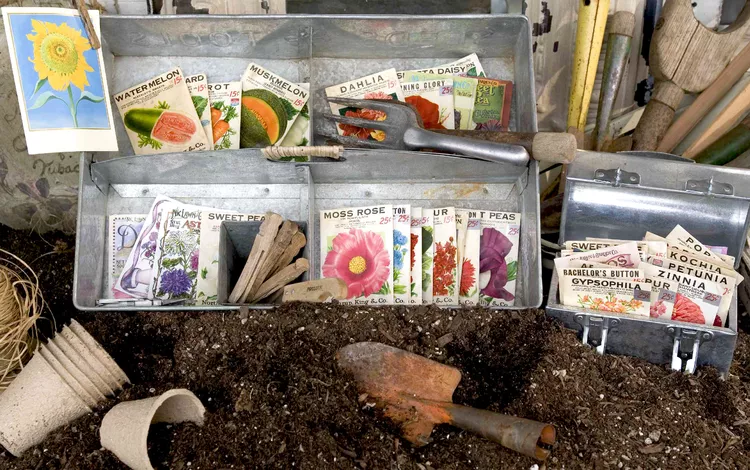
How long seeds last depends on a number of factors, such as the type of seed and storage conditions. With proper care, many seeds can stay fresh for years, but even under the best conditions, seeds don’t last forever. Some seed varieties store better than others, and moisture, temperature, and light levels also affect seed viability over time. This guide covers how to store seeds and test seed viability so you never waste time sowing seeds that won’t grow.
How Long Garden Seeds Last
Herb, flower, and vegetable seeds may look dry and lifeless, but inside each hard seed coat lies a living plant embryo that needs to be stored and planted correctly to sprout. That said, certain seed varieties naturally will stay fresh much longer than others. For example, the germination rate of alliums, parsnips, and certain herbs drops off dramatically after a year or two of storage. Other vegetable and herb seeds can last 10 years or even longer under the right conditions.
Typically, seeds don’t go bad all at once, but germination rates begin to decline when seeds reach a certain age. That doesn’t necessarily mean that old seeds aren’t worth planting, but it does mean they may need to be planted more thickly to ensure enough of them sprout for you.
Here are general guidelines on how long specific types of seeds last when stored at room temperature. Seeds that are kept cool may stay fresh even longer.
Years before germination rates begin to decline:
- 1 Year: lettuce, onions, parsley
- 2 Years: corn, peppers
- 3 Years: beans, broccoli, carrots, celery, peas
- 4 Years: beets, cabbage, kale, melons, pumpkins, tomatoes, radishes
- 5 Years: cucumbers
How to Check If Seeds Are Still Good
When working with older seeds, look at seed packets carefully before planting. Clumpy or moldy seeds or seeds that look like they got wet usually don’t sprout well. You can also check seed packets for a seed packing date or “best by” date to determine if the seeds are still viable.
Basic Seed Viability Test
If you’re unsure whether the seeds are good, follow these steps to run a basic seed viability test to check germination rates.
Step 1: Sow 10 seeds on a damp paper towel.
Step 2: Fold the paper towel over onto the seeds and place it in a sealable plastic bag at room temperature for 7 to 10 days.
Step 3: Count the number of seeds that sprouted to get a general idea of the germination rate of those old seeds. If only two of the 10 seeds sprouted, those seeds have a low germination rate of about 20%. However, if eight of the 10 seeds sprouted, they have an 80% germination rate, which is pretty good.
Step 4: Decide if you want to sow the rest of your old seeds and how many seeds to plant in each planting hole to ensure that at least one seed sprouts. Improve the chances of seed-growing success by sowing seeds with low germination rates thickly.
Some seeds take longer to germinate than others. If you’re testing seeds with long germination times and they haven’t sprouted in 10 days, you may need to extend your seed test a little longer.
Seed Storage Tips
The best way to avoid seed waste is to order only the amount of seeds you can plant in the next year or two. If you end up with more seeds than you can sow right away, extend the lifespan of the seeds by keeping these seed storage tips in mind:
- Seeds last longer when stored at cool temperatures. Storing seeds in the fridge or freezer helps preserve germination rates, but cool seeds must stay dry. If seeds are cold and wet, seed coats can break, and the seeds will spoil.
- Excess moisture can ruin seeds. Keeping seeds dry prevents mold and premature germination. For proper storage, seeds should be brittle and easy to break with your fingers, while seeds that bend are too moist and need to dry out further.
- UV light makes seeds degrade faster. Storing seeds in a dark place keeps them fresh much longer. A kitchen cabinet or fridge is ideal.
- Keep seeds safe from rodents. Chipmunks and mice can spoil a seed packet in no time. If you store seeds in a garage or other areas where rodents may be present, store them in rodent-proof glass or metal jars.
- Proper storage containers are essential. If the seeds aren’t already packed in seed packets, place them in small, paper seed envelopes before packing them in storage jars. The paper envelopes absorb extra moisture and help keep the seeds dry.
- Use desiccant packets. Those little packets in store-bought seaweed and vitamin bottles can also keep seeds dry. If you’re storing a lot of seeds, add a few desiccant packets to each storage jar to absorb extra moisture.
- Always label and date seeds. If you save your own seeds, remember to put a date on them. This will help you keep track of when you harvested the seeds and when they should be planted for maximum freshness.
- Buy seeds from reliable suppliers. Buying seeds from quality seed companies ensures that your seeds are as fresh as possible when you bring them home.